Rising fuel costs, tighter budgets, and complex reporting push businesses to rethink how they manage vehicle expenses. Fuel cards have become a popular solution, promising control and visibility. Yet, they are not a perfect fit for everyone. Understanding both advantages and trade-offs helps businesses make informed, confident decisions.
Managing Fuel Spend
For organisations that rely on vehicles, fuel is often one of the largest and least predictable operating costs. Traditional reimbursement methods and cash payments make tracking difficult and leave room for errors. Fleet fuel cards provide a structured solution, offering centralised control over fuel purchases while simplifying day-to-day administration
At their core, fuel cards function as restricted payment tools designed specifically for vehicle-related expenses. They record transaction data automatically, allowing businesses to see where, when, and how fuel is purchased. While the concept is straightforward, the practical impact depends on how well the system aligns with operational needs.
How Fuel Cards Change the Way Businesses Pay for Fuel
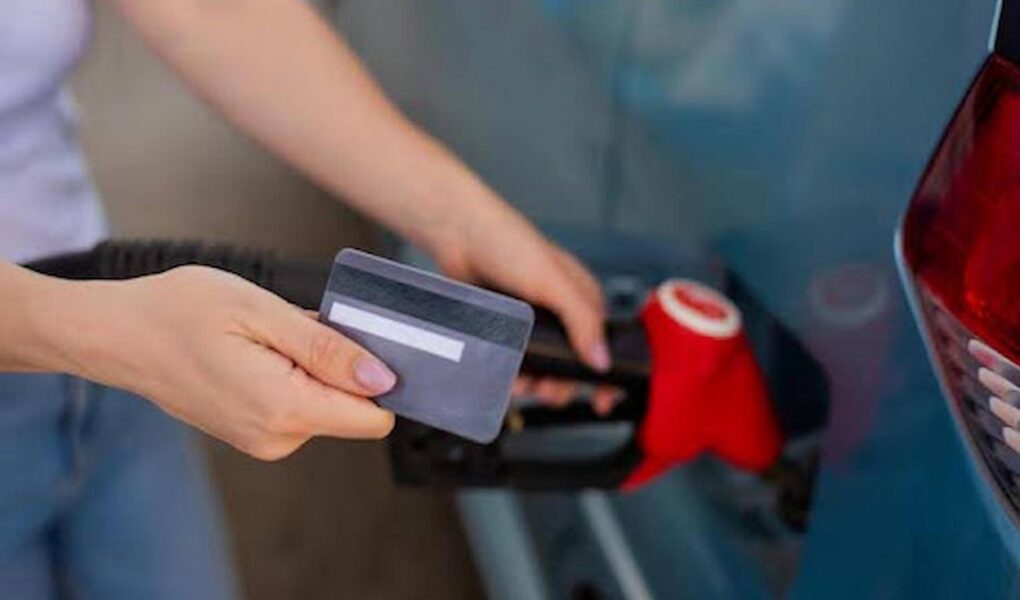
Fuel cards replace fragmented payment methods with a unified system. Instead of drivers handling cash or personal cards, purchases are routed through a single account controlled by the business. This creates consistency across fleets of different sizes.
From an accounting perspective, consolidated billing reduces paperwork and shortens reconciliation cycles. For managers, the shift brings greater visibility into fuel usage patterns without needing to chase individual receipts or logs.
Key Advantages Businesses Often Experience
-
Improved Cost Visibility and Control
Fuel cards provide itemised transaction data, making it easier to identify unusual spending or inefficiencies. Limits can be applied to control daily spend, fuel type, or transaction frequency, helping businesses stay within budget.
-
Reduced Administrative Workload
Automated records remove the need for manual expense claims. Finance teams can access clear reports instead of sorting through handwritten receipts, saving time and reducing errors.
-
Stronger Fraud Prevention Measures
Restricted usage settings reduce the risk of misuse. Alerts and monitoring features can flag suspicious activity early, allowing quick corrective action.
-
Easier Budget Forecasting
With consistent data available, businesses can analyse trends and plan fuel budgets more accurately. Predictable reporting supports better financial decision-making over time.
The Operational Limits Businesses Should Consider
While fuel cards offer clear benefits, they also come with practical limitations that should not be overlooked.
-
Network Availability Constraints
Fuel cards are typically accepted only within specific networks. If vehicles operate in remote or varied locations, limited acceptance can cause inconvenience for drivers.
-
Ongoing Fees and Charges
Some fuel card programs include setup fees, transaction charges, or monthly costs. These expenses may outweigh benefits for smaller fleets with low fuel volumes.
-
Dependence on Accurate Setup
The effectiveness of fuel cards relies on correct configuration. Poorly defined limits or inactive monitoring can reduce control rather than improve it.
-
Limited Scope Beyond Fuel
Although some cards allow related purchases, they are still specialised tools. Businesses may need separate systems for maintenance, tolls, or other travel-related costs.
Understanding the Data Behind Fuel Cards
One of the most valuable aspects of fuel cards is data generation. Each transaction produces structured information, such as location, fuel type, quantity, and time. When analysed consistently, this data helps businesses identify inefficiencies like excessive idling, route issues, or unexpected fuel consumption patterns.
At the midpoint of fleet operations, integrating fleet fuel cards with internal reporting systems can support better oversight. However, the insights are only as useful as the processes in place to review and act on them.
Practical Tips for Getting the Most Value
Businesses considering fuel cards benefit from a strategic approach rather than immediate adoption. The following practices help maximise results:
- Define clear usage rules before issuing cards to drivers
- Review transaction reports regularly instead of treating them as passive records
- Match card features to actual fleet size and travel patterns
- Periodically reassess whether the cost structure still aligns with business needs
These steps ensure fuel cards support efficiency rather than adding complexity.
Are Fuel Cards Suitable for Every Business?
Fuel cards are most effective for organisations with recurring vehicle usage and centralised oversight. Businesses with occasional travel needs or very small fleets may find traditional payment methods more flexible. The decision should be based on operational scale, geographic coverage, and administrative capacity.
Understanding both benefits and limitations prevents unrealistic expectations. Fuel cards are tools, not solutions on their own, and their value depends on thoughtful implementation.
Key Takeaways
Fuel cards offer a structured way to manage one of the most variable business expenses. They bring visibility, reduce manual work, and support better financial planning when used correctly. However, they also require commitment to setup, monitoring, and cost evaluation. For many organisations, the balance between convenience and control makes them worthwhile. For others, limitations may outweigh gains. Before committing, businesses should assess travel patterns, fleet size, and reporting needs carefully. When aligned with clear policies and regular review, fleet fuel cards can become a practical component of a broader expense management strategy, supporting accountability and smarter spending decisions over the long term.