
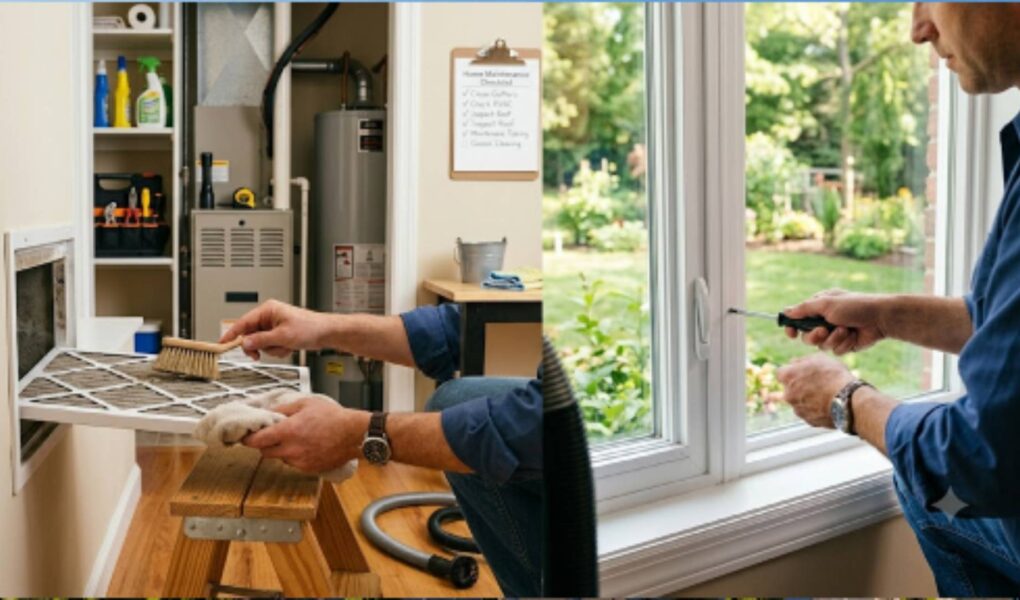
Owning a home comes with ongoing responsibilities, but keeping your property in good condition doesn’t have to be overwhelming. In fact, many costly repairs can be avoided with a little routine maintenance. Small inspections and simple upkeep often reveal problems before they grow into expensive emergencies.
Preventive home maintenance is about staying ahead of wear and tear. By checking key areas of your home throughout the year, you can improve safety, extend the life of building materials, and reduce long-term repair costs.
This guide explains the most important areas to monitor and the warning signs every homeowner should know.
Why Preventive Home Maintenance Matters
Every home naturally ages. Weather, moisture, temperature changes, and daily use gradually affect every part of the property. Minor issues like a loose roof shingle or a tiny plumbing leak may seem harmless today, but they can quickly become major repair projects if ignored.
Routine maintenance offers several benefits:
- Prevents expensive repairs
- Protects your home’s value
- Improves energy efficiency
- Increases comfort throughout the year
- Extends the lifespan of building materials and systems
- Reduces unexpected maintenance emergencies
The key is consistency rather than perfection.
Inspect Interior Walls Regularly
Walls often provide the earliest clues that something isn’t right behind the surface.
During your inspections, look for:
- New cracks around windows and doors
- Peeling or bubbling paint
- Water stains
- Soft drywall
- Mould or mildew growth
- Discoloured patches
Hairline cracks from normal settling are usually harmless. However, expanding cracks, moisture marks, or recurring stains deserve closer attention because they may indicate structural movement or hidden water leaks.
Walk through your home every few months and compare areas that receive frequent sunlight or moisture.
Keep Flooring in Good Condition
Floors experience constant daily traffic, making them one of the easiest places to spot developing problems.
Pay attention to:
- Loose floorboards
- Squeaking areas
- Soft spots
- Cracked tiles
- Lifting laminate
- Water damage around appliances
- Damaged grout
Moisture is one of the biggest threats to flooring. If you notice swelling, warping, or staining, investigate immediately before damage spreads beneath the surface.
Regular cleaning also helps preserve flooring materials and makes changes easier to notice.
Check Your Roof Before Problems Start
Your roof protects everything underneath it, making routine inspections one of the most valuable maintenance habits.
Look for:
- Missing shingles
- Cracked or curled roofing materials
- Loose flashing
- Moss buildup
- Clogged valleys
- Damaged vents
- Sagging sections
Inside the attic, watch for:
- Water stains
- Damp insulation
- Sunlight entering through gaps
- Signs of condensation
After severe storms, perform a visual inspection from ground level if possible.
Catching roof issues early often prevents major water damage inside the home.
Monitor Doors and Windows
Doors and windows affect comfort, security, and energy efficiency.
Check for:
- Drafts
- Difficulty opening or closing
- Loose hinges
- Damaged weatherstripping
- Cracked seals
- Condensation between glass panes
- Rotting frames
Replacing worn weatherstripping is an inexpensive task that helps reduce heating and cooling costs while preventing moisture intrusion.
Lubricate hinges and locks periodically to keep everything operating smoothly.
Stay Aware of Plumbing Problems
You don’t need to be a plumber to notice early warning signs.
Watch for:
- Slow drains
- Low water pressure
- Dripping taps
- Running toilets
- Damp cabinets
- Water stains
- Musty smells
- Unexpected increases in water bills
Even a small leak can waste significant amounts of water over time while damaging cabinets, flooring, and drywall.
Check under sinks regularly and inspect exposed pipes for corrosion or moisture.
Maintain Healthy Ventilation
Proper airflow helps prevent moisture buildup and improves indoor air quality.
Inspect:
- Bathroom exhaust fans
- Kitchen range hoods
- Air vents
- Dryer vents
- Attic ventilation
Dust and debris reduce airflow and force ventilation systems to work harder.
Clean vents regularly and ensure exhaust fans remove moisture effectively after showers or cooking.
If rooms frequently feel damp or develop condensation, poor ventilation may be contributing to the problem.
Inspect Insulation Throughout the Home
Insulation does more than keep your home warm. It also improves energy efficiency and helps regulate indoor temperatures.
Check insulation in:
- Attics
- Crawl spaces
- Basements
- Around attic access panels
- Garage ceilings
Look for:
- Compressed insulation
- Wet insulation
- Gaps
- Animal damage
- Signs of mould
Wet insulation loses much of its effectiveness and often indicates a roof leak or ventilation issue that should be addressed promptly.
Examine Exterior Finishes
Your home’s exterior forms the first line of defence against weather.
Inspect regularly for:
- Peeling paint
- Cracked render
- Damaged siding
- Rotting timber
- Loose trim
- Gaps around exterior fixtures
- Cracked sealant
Small repairs prevent moisture from entering wall cavities, where damage can become much more expensive to fix.
Cleaning exterior surfaces once or twice a year also helps you notice changes earlier.
Don’t Ignore Gutters and Drainage
Water should always flow away from your home.
Check that:
- Gutters are clear
- Downpipes drain properly
- Water isn’t pooling near foundations
- Splash blocks remain in place
- Gutters are securely attached
Blocked gutters frequently cause roof leaks, fascia damage, foundation problems, and basement moisture issues.
Cleaning them seasonally is one of the simplest ways to protect your property.
Look for Signs of Moisture
Moisture causes many of the most expensive home repairs.
Be alert for:
- Condensation on windows
- Damp smells
- Peeling wallpaper
- Bubbling paint
- Mould growth
- Soft wood
- Persistent humidity
The earlier moisture problems are found, the easier and less expensive they are to solve.
Watch for Pest Activity
Routine inspections should also include checking for insects and rodents.
Common warning signs include:
- Small holes in wood
- Droppings
- Chewed materials
- Mud tubes
- Nesting materials
- Unusual scratching sounds
Addressing pest problems early helps prevent structural damage and reduces the need for extensive treatments.
Seasonal Home Maintenance Checklist
Breaking maintenance into seasons makes it much easier to manage.
Spring
- Inspect the roof
- Clean gutters
- Check exterior paint
- Examine windows and doors
- Inspect decks and pathways
Summer
- Check ventilation
- Service cooling equipment
- Inspect plumbing
- Look for exterior cracks
- Repair damaged caulking
Autumn
- Clean gutters again
- Inspect insulation
- Seal air leaks
- Test smoke alarms
- Prepare outdoor taps for freezing weather
Winter
- Watch for ice damage
- Check indoor humidity
- Inspect pipes for freezing risks
- Monitor heating performance
- Look for roof leaks after storms
Simple Maintenance Habits That Save Money
Many preventive tasks take only a few minutes.
Helpful habits include:
- Test smoke and carbon monoxide alarms monthly.
- Replace HVAC filters regularly.
- Tighten loose cabinet handles and hinges.
- Clean drains before they clog.
- Check appliance hoses for wear.
- Keep trees trimmed away from the roof.
- Monitor utility bills for unexpected changes.
- Keep a home maintenance checklist.
- Record completed repairs and inspections.
These small actions often prevent much larger problems later.
Early Warning Signs You Should Never Ignore
Some issues deserve immediate attention because they can worsen quickly.
Contact a qualified professional if you notice:
- Large or growing wall cracks
- Roof leaks
- Persistent mould
- Foundation movement
- Electrical burning smells
- Frequent plumbing leaks
- Significant water damage
- Sagging ceilings
- Rotting structural wood
Quick action usually means lower repair costs and less disruption.
Tips for Building a Preventive Maintenance Routine
You don’t have to inspect everything every weekend.
Instead:
- Walk around your home once each month.
- Check one or two systems at a time.
- Keep a simple maintenance log.
- Schedule seasonal inspections.
- Fix small problems immediately.
- Budget annually for routine maintenance.
A consistent routine is far more effective than waiting until something breaks.
Conclusion
Preventive home maintenance is one of the smartest investments any homeowner can make. Regular inspections of walls, flooring, roofing, windows, doors, plumbing, ventilation, insulation, and exterior finishes help identify small problems before they become costly repairs. Most maintenance tasks require only a little time, yet they can save thousands in future repair bills while improving comfort, safety, and energy efficiency. By making routine inspections part of your home care routine, you’ll protect your property, extend the life of its materials, and enjoy greater peace of mind for years to come.