
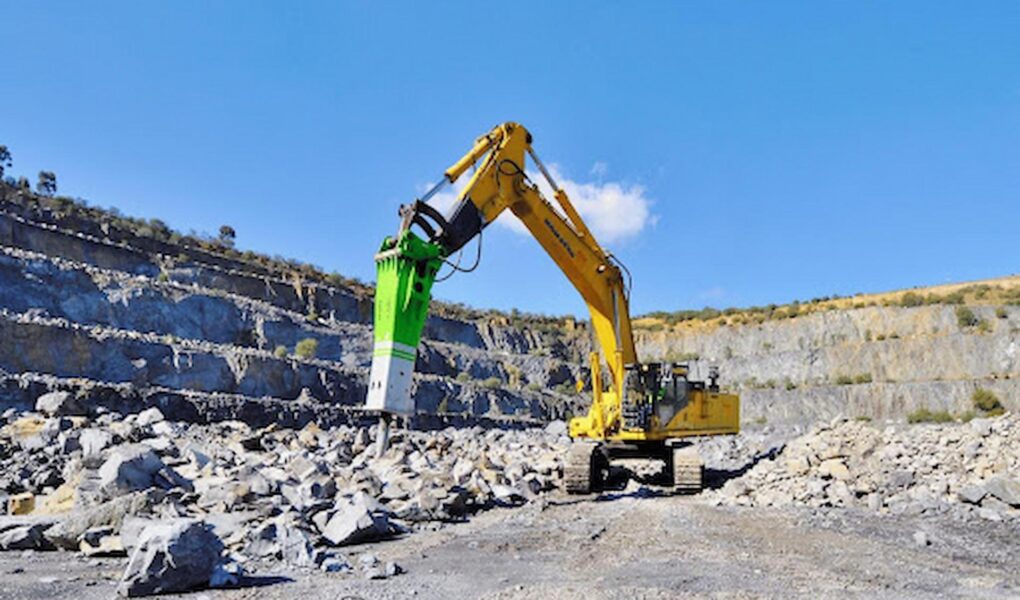
Hydraulic rock breakers bring precision and raw power to demanding construction sites, making hard surfaces easier and safer to handle. Designed for speed, control, and durability, they help reduce manual effort, improve site safety, and keep projects moving on schedule. When efficiency and reliability matter, the right breaker makes all the difference.
Introduction: Efficiency Under Pressure
Construction and demolition projects rarely fail because of ambition. They fail because time slips, costs rise, or equipment cannot keep pace with demanding conditions. One of the biggest bottlenecks is breaking hard materials—rock, reinforced concrete, and compacted ground—that resist traditional tools.
This is where hydraulic rock breakers have transformed modern job sites. Designed to deliver controlled, repeated impact through hydraulic power, they replace labour-intensive methods with precision-driven performance. Their role today extends well beyond brute force. They support tighter timelines, safer operations, and more predictable results across construction, quarrying, mining, and demolition activities.
The Role of Controlled Force in Construction and Demolition
From Manual Impact to Hydraulic Precision
Older breaking methods relied on explosives, handheld tools, or mechanical hammers. While effective in limited settings, they introduced safety risks, vibration damage, and inconsistent output. Hydraulic systems changed this dynamic by allowing energy to be delivered precisely where it is needed.
Instead of a single heavy blow, hydraulic breakers apply rapid, consistent strikes. This controlled force reduces material stress beyond the target area, helping operators work accurately without compromising nearby structures.
Why Consistency Matters on Site
Consistency is more than convenience. It affects scheduling, material handling, and workforce coordination. Predictable breaking speeds allow teams to plan excavation, removal, and follow-on work with confidence. When output is stable, downstream delays reduce sharply.
How Hydraulic Systems Improve Productivity
Faster Material Breakdown
Hydraulic breakers operate at high impact frequencies, allowing rock and concrete to fracture efficiently. This speeds up groundwork, trenching, and demolition phases, which are often the most time-sensitive parts of a project.
Industry studies consistently show that mechanised breaking can cut material removal time by a significant margin compared to manual alternatives. Faster breakdown means equipment and crews move sooner to the next task.
Reduced Downtime Through Design
Modern breaker designs focus on durability and ease of maintenance. Enclosed housings protect internal components from dust and debris, while simplified lubrication systems reduce service interruptions. Less downtime directly translates into higher daily output.
Improving Safety and Site Control
Lower Risk to Operators
Safety remains a top concern in heavy construction. Hydraulic breakers are mounted to carriers such as excavators, keeping operators at a safe distance from impact zones. This separation reduces exposure to flying debris, vibration, and repetitive strain injuries.
Cab-mounted controls also improve visibility and precision, allowing operators to adjust force and positioning without stepping into hazardous areas.
Managing Noise and Vibration
Excessive noise and ground vibration can disrupt nearby work and raise compliance issues. Hydraulic breakers are engineered to minimise rebound and energy loss, which helps control vibration levels. Noise-dampening housings further reduce impact sound, supporting safer and more compliant operations.
Versatility Across Construction and Demolition Tasks
Adaptable to Multiple Applications
One reason these tools are widely adopted is flexibility. A single breaker can support tasks such as:
- Concrete slab removal
- Rock excavation for foundations
- Trenching for utilities
- Controlled demolition in confined spaces
This adaptability reduces the need for multiple specialised tools, simplifying equipment planning and logistics.
Compatibility With Different Carriers
Hydraulic breakers are designed to integrate with a range of carrier machines, from compact excavators to large-scale equipment. Matching breaker size to carrier capacity ensures efficient energy transfer and avoids unnecessary wear.
Mid-Project Efficiency Gains That Add Up
At the centre of many high-performing sites is the strategic use of hydraulic rock breakers to eliminate delays caused by stubborn materials. Their ability to maintain steady output under demanding conditions helps teams avoid costly rescheduling and equipment idling.
Rather than reacting to slow progress, project managers can plan with confidence, knowing breaking performance will align with timelines. Over the lifespan of a project, these incremental gains often translate into substantial cost control and smoother coordination between trades.
Energy Efficiency and Smarter Resource Use
Optimised Power Delivery
Hydraulic systems convert fluid pressure into mechanical energy with high efficiency. This allows breakers to deliver strong impact without excessive fuel consumption from the carrier machine. Efficient power use supports both cost savings and environmental goals.
Less Rework, Less Waste
Controlled breaking reduces over-fracturing and unnecessary material damage. Cleaner breaks make debris handling easier and reduce the need for corrective work. In demolition settings, this also supports more effective material separation and recycling.
Key Factors When Choosing the Right Breaker
Match the Tool to the Task
Selecting an oversized or undersized breaker can reduce efficiency and increase wear. Consider material hardness, required breaking depth, and carrier capacity when choosing equipment.
Focus on Build Quality
Durable components, reinforced housings, and proven sealing systems extend service life. Long-term reliability often outweighs initial cost when evaluating productivity over time.
Support and Maintenance Access
Easy access to parts, service support, and maintenance guidance helps keep equipment running smoothly. Planned maintenance is far less disruptive than unexpected breakdowns.
Practical Takeaways for Better On-Site Results
- Plan breaking work early to avoid surprises during excavation or demolition phases
- Ensure proper breaker-to-carrier matching for optimal performance
- Train operators on controlled use, not just maximum force
- Schedule routine inspections to prevent avoidable downtime
- Use precision breaking to protect surrounding structures and materials
These steps help teams get the most value from their equipment while maintaining safe and efficient operations.
Looking Ahead: The Future of Breaking Technology
Hydraulic breaking technology continues to evolve. Advances in materials, sealing systems, and energy recovery are pushing performance further while reducing environmental impact. Digital monitoring and smart maintenance indicators are also becoming more common, helping operators track usage patterns and plan servicing proactively.
As construction projects grow more complex and regulated, demand for precise, reliable breaking solutions will only increase.
Closing Perspective: Building Momentum Without Compromise
Modern construction thrives on momentum. Every delay compounds costs, disrupts schedules, and strains resources. Equipment choices play a quiet but decisive role in keeping projects moving with confidence. By combining controlled force, safety-focused design, and consistent output, hydraulic rock breakers support a more predictable way of working—one where productivity does not come at the expense of control.
For contractors and project managers, the value lies not only in faster breaking but in smoother coordination across the entire site. Reduced downtime, safer operations, and cleaner results all contribute to long-term efficiency. As demands on construction continue to rise, investing in smarter breaking solutions is less about power and more about precision. Choosing the right approach today helps build stronger foundations for tomorrow’s projects, ensuring progress remains steady, measured, and firmly under control.