A well-functioning HVAC system plays a major role in a home’s comfort. It keeps the indoor climate stable, improves air quality, and helps manage energy use throughout the year. Yet many homeowners rarely think about their heating and cooling equipment until something goes wrong. With a little attention and a few consistent habits, you can keep your system operating smoothly, reduce unnecessary strain, and extend its overall lifespan.
This guide outlines simple, practical steps anyone can follow. No technical knowledge is required—just an interest in creating a comfortable, efficient living environment. Whether you rely on routine professional care or prefer to handle smaller tasks at home, understanding how your system works makes a noticeable difference.
Maintaining a system is easier when you know what to look for, and that’s where awareness becomes valuable. Even small decisions, such as how often you change your air filters or how you set your thermostat, can influence performance. Many homeowners rely on HVAC services in Sacramento, CA, to support seasonal care, but the overall habits you adopt in daily life matter just as much.
Creating a smooth-running system often begins with consistency. When something feels off with airflow, temperature, or noise levels, addressing it early prevents the issue from becoming bigger. Many people consult HVAC services in Sacramento, CA, during extreme temperature months, but the steps taken between those seasonal appointments are just as essential.
1. Start With Regular Filter Changes
Air filters are among the simplest components to manage, yet they have a significant impact on airflow and air quality. A clogged filter forces your HVAC system to work harder, increasing wear on internal parts and raising energy use. Replacing filters every one to three months helps maintain steady airflow and prevents debris from settling inside the system.
Homes with pets, allergies, or higher foot traffic may require more frequent replacements. If you use higher-efficiency filters, check them regularly to ensure they are not restricting airflow. Clean filters support better indoor comfort and help your system last longer.
2. Keep Vents and Registers Clean
Blocked or dirty vents restrict airflow throughout your home. When furniture, curtains, or rugs cover vents, the system struggles to distribute temperature evenly. Dust buildup also affects the air quality you breathe.
A simple routine helps:
- Remove dust from vents using a vacuum or a soft cloth.
- Ensure all furniture is kept a slight distance from vents.
- Avoid closing too many vents at once, as this can increase pressure inside the ductwork.
Clear vents ensure the system does not work harder than necessary, resulting in smoother, more efficient heating and cooling.
3. Use Your Thermostat Wisely
Thermostat settings affect both comfort and performance. Sudden or extreme temperature changes create unnecessary strain on the system. Using gradual adjustments helps the equipment maintain stability.
If you have a programmable thermostat, set schedules that match your household routine. Aim for steady temperatures rather than frequent manual adjustments. During extended absences, allow the home to be a few degrees warmer or cooler to reduce stress on the system without sacrificing comfort upon return.
Small thermostat habits often translate into long-term improvements in system efficiency.
4. Keep the Outdoor Unit Clear
Outdoor heat pumps and air-conditioning units need space for air to move freely. Leaves, branches, grass, and dirt can accumulate around the exterior components, restricting performance. Keeping the area clear is a simple task that supports year-round reliability.
A few basic habits to follow:
- Trim shrubs and plants at least two feet away from the unit.
- Clear debris after storms or heavy winds.
- Remove dirt or dust buildup on the casing with gentle cleaning.
A clean outdoor unit cools and heats more efficiently, helping your system run without interruptions.
5. Pay Attention to Unusual Sounds or Smells
Your HVAC system operates with a familiar rhythm. When new noises appear—such as rattling, grinding, or whistling—it often signals that something needs attention. The same applies to unusual odors, which could indicate electrical issues, moisture problems, or dust buildup.
Taking note of these early signs helps prevent larger, more costly damage. You don’t need to diagnose the issue yourself; simply acknowledging that something has changed is the first step in keeping things on track. Prompt action helps maintain smooth operation and prevents minor problems from escalating.
6. Maintain Consistent Airflow in Your Home
Good airflow helps the system heat and cool your home evenly. Closed doors, cluttered spaces, and blocked pathways can create airflow imbalances. This causes certain rooms to feel warmer or cooler than others and may increase the overall load on your HVAC system.
Simple steps help maintain balanced comfort:
- Keep interior doors slightly open when the system is running.
- Reduce clutter near vents and return air pathways.
- Use ceiling fans to improve air circulation and reduce temperature fluctuations.
Balanced airflow helps maintain steady temperatures and reduces strain on the system.
7. Monitor Humidity Levels
Humidity affects how comfortable your home feels, especially during seasonal changes. Excess moisture can encourage mould growth and make your home feel warmer than it is. Low humidity can dry the air, causing discomfort during winter.
Your HVAC system helps regulate humidity, but monitoring indoor levels helps ensure it operates smoothly. If humidity fluctuates significantly, minor adjustments—such as adjusting ventilation or using a dehumidifier—can help the system maintain stability.
8. Schedule Seasonal Professional Check-Ups
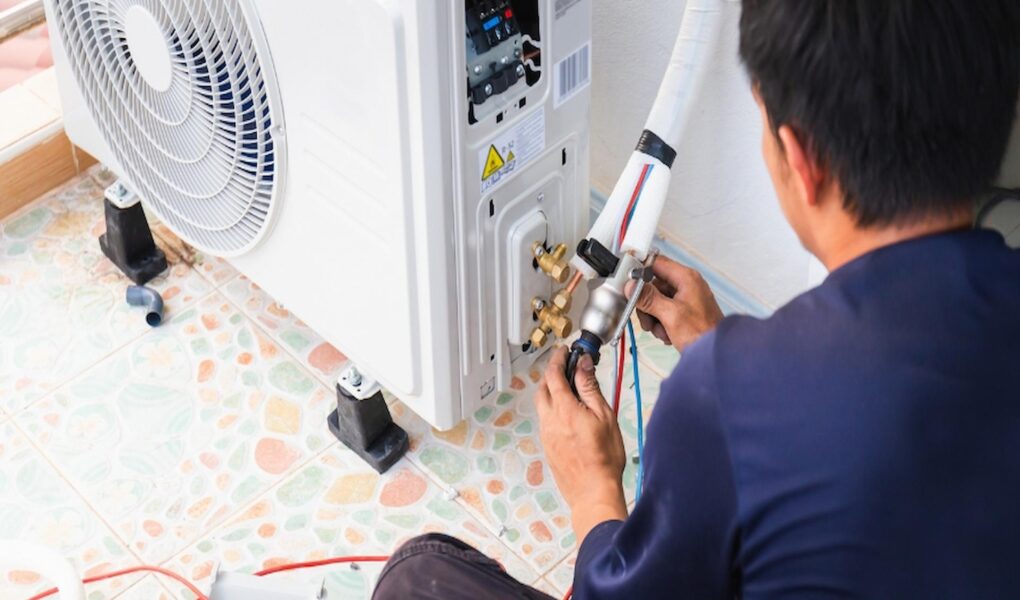
While homeowners can handle many everyday tasks, seasonal inspections offer deeper insights into system health. A trained technician can examine internal components, test performance, check refrigerant levels, and identify developing issues. Seasonal tune-ups also help ensure the system is ready for the demands of both summer and winter.
Even when everything appears fine, these routine appointments keep the system performing at its best. Preventive care is one of the most reliable ways to maintain long-term efficiency.
9. Improve Insulation and Seal Air Leaks
Your HVAC system operates more efficiently when your home maintains a consistent temperature. Poor insulation or unnoticed air leaks can cause heat or cool air to escape, making the system run longer and harder.
Key areas to check:
- Attics
- Windows
- Doors
- Ductwork
Sealing gaps and improving insulation creates a more stable indoor environment and reduces pressure on the system.
10. Stay Consistent With Small Habits
Smooth HVAC operation is not about complicated steps—it’s about consistency. Checking filters, listening for changes, managing airflow, and scheduling routine care all build a supportive environment for your system. These habits also help you feel more confident about your home’s comfort year-round.
The goal is not perfection but awareness. When you understand how your system behaves, you can respond early and maintain steady performance.
Conclusion
Keeping your HVAC system running smoothly requires a combination of routine maintenance and seasonal attention. Regular filter changes, clear vents, mindful thermostat habits, and awareness of unusual signs all contribute to long-term reliability. Seasonal inspections provide added protection, ensuring your system stays prepared for shifting temperatures.
A comfortable home relies on balance—not just in temperature, but in the way your HVAC system works alongside your daily habits. With minimal, consistent care, you can enjoy consistent comfort, improved air quality, and greater efficiency year-round.