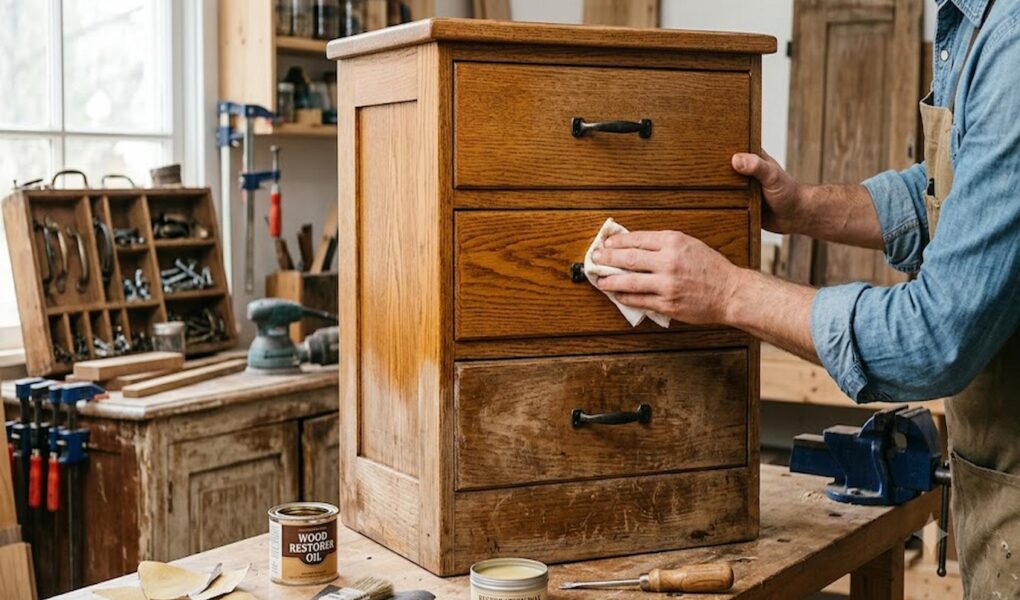
Furniture and cabinets work hard every day. Kitchen cabinets are opened countless times, drawers carry heavy loads, and tables, chairs, and dressers experience constant wear. Over time, even well-built pieces can develop loose hinges, sticking drawers, scratches, worn finishes, or wobbly joints.
The good news is that many of these problems are simple to repair. With a few basic tools, affordable materials, and a little patience, you can restore both function and appearance without replacing perfectly usable furniture.
This guide explains the most common cabinet and furniture repairs, when you can fix them yourself, and how to keep your furniture looking its best for years to come.
Why Repair Instead of Replace?
Many people assume damaged furniture needs replacing, but that’s often unnecessary. Most everyday issues involve hardware, finishes, or joints rather than structural failure.
Repairing furniture offers several benefits:
- Saves money compared to buying new pieces
- Extends the life of quality furniture
- Reduces household waste
- Preserves sentimental or antique items
- Improves the appearance of your home
- Restores smooth, reliable operation
Simple repairs often take less than an hour while delivering noticeable improvements.
Common Furniture and Cabinet Problems
Most repairs fall into a few common categories.
These include:
- Loose cabinet hinges
- Misaligned cabinet doors
- Broken drawer slides
- Drawers that stick or won’t close
- Loose chair or table joints
- Scratched wood surfaces
- Water rings and stains
- Loose or broken handles and knobs
- Peeling veneer
- Worn paint or finish
- Small cracks or chips
Identifying the exact problem first helps you choose the right repair method.
Fixing Loose Cabinet Hinges
Cabinet doors receive constant use, making hinges one of the first parts to loosen.
Common signs include:
- Doors hanging unevenly
- Gaps between cabinet doors
- Doors rubbing together
- Hinges pulling away from the cabinet
Tighten Loose Screws
Begin by tightening every hinge screw using the correct screwdriver.
Avoid overtightening, which can strip the screw holes.
Repair Stripped Screw Holes
If screws no longer grip the wood:
- Fill the hole with wooden toothpicks and wood glue.
- Allow the glue to dry.
- Trim excess material.
- Reinstall the screw.
For larger damage, use wood filler or a cabinet repair kit designed for stripped holes.
Adjusting Cabinet Doors
Modern cabinet hinges usually include adjustment screws that allow precise alignment.
Small adjustments can:
- Even out door spacing
- Stop doors from rubbing
- Improve closing action
- Restore a professional appearance
Make adjustments gradually, checking alignment after each turn.
Repairing Damaged Drawer Slides
Drawer slides wear out over time, especially in kitchens and bathrooms.
Signs include:
- Drawers sticking
- Uneven movement
- Sagging drawers
- Drawers falling out
Clean First
Remove the drawer and vacuum away dust, crumbs, and debris.
Sometimes dirt alone causes poor movement.
Lubricate Moving Parts
Apply a silicone-based lubricant to metal slides.
Avoid heavy grease, which attracts dirt.
Replace Worn Slides
Bent or damaged slides usually need replacement.
Purchase matching slides with the same length and weight rating for the easiest installation.
Fixing Sticking Wooden Drawers
Older furniture often uses wooden runners instead of metal slides.
If drawers stick:
- Clean both contact surfaces.
- Lightly sand rough areas.
- Rub paraffin wax or candle wax along the runners.
- Remove any swollen wood caused by moisture.
These simple steps often restore smooth movement.
Repairing Loose Furniture Joints
Loose joints make chairs, tables, and cabinets feel unstable.
Common locations include:
- Chair legs
- Table legs
- Cabinet frames
- Bed frames
Reglue the Joint
If possible:
- Carefully separate the joint.
- Remove old glue.
- Apply fresh wood glue.
- Clamp the joint securely.
- Allow it to cure fully before use.
Proper clamping creates a much stronger repair than simply adding more glue over the old joint.
Repairing Wobbly Chairs
A wobbly chair isn’t just annoying—it can become unsafe.
Inspect each leg carefully for:
- Loose joints
- Split wood
- Missing screws
- Broken braces
Most wobbling results from loose glue joints rather than broken wood.
After regluing, keep the chair clamped according to the glue manufacturer’s instructions before putting weight on it.
Repairing Scratched Wood Surfaces
Scratches are among the most common furniture problems.
Fortunately, many are cosmetic rather than structural.
Light Scratches
Minor scratches often disappear using:
- Wood repair markers
- Furniture touch-up crayons
- Matching stain pens
- Furniture polish
Choose a color close to the original finish.
Deeper Scratches
For larger scratches:
- Fill with wood filler.
- Sand smooth after drying.
- Apply stain if needed.
- Finish with protective clear coat.
Blending repairs gradually creates the most natural appearance.
Removing Water Rings and Surface Marks
Water glasses can leave white rings on wooden furniture.
For light marks:
- Use a soft cloth.
- Apply gentle furniture polish.
- Buff carefully.
Avoid excessive moisture during cleaning, as additional water may worsen the damage.
Dark stains usually indicate moisture has penetrated deeper into the wood and may require refinishing.
Repairing Chipped Corners and Small Cracks
Small chips often occur on cabinet doors, tables, and shelving.
Repair involves:
- Cleaning the damaged area
- Filling with wood filler
- Sanding smooth
- Painting or staining to match
Flexible wood fillers work well because they move naturally with the wood.
Replacing Broken Handles and Knobs
Cabinet hardware affects both appearance and functionality.
Replace hardware when you notice:
- Loose handles
- Broken knobs
- Rust
- Corrosion
- Bent pulls
When buying replacements:
- Match existing screw spacing whenever possible.
- Measure carefully before purchasing.
- Tighten hardware periodically to prevent future loosening.
New handles can also give older cabinets an updated look without major renovation.
Repairing Worn Paint and Finish
Over time, painted and stained furniture loses its protective coating.
Signs include:
- Dull appearance
- Peeling paint
- Fading
- Small worn patches
Minor damage often requires:
- Cleaning
- Light sanding
- Spot priming
- Repainting or refinishing
Large worn areas may require refinishing the entire surface for an even appearance.
Repairing Peeling Veneer
Many modern furniture pieces use wood veneer over engineered wood.
If veneer begins lifting:
- Clean underneath carefully.
- Apply wood glue.
- Press flat with wax paper and clamps.
- Allow sufficient drying time.
Replace missing veneer sections only if damage is extensive.
Preventing Future Damage
Regular maintenance reduces the need for future repairs.
Helpful habits include:
- Tighten hardware every few months.
- Clean spills immediately.
- Avoid excessive moisture.
- Use furniture pads under heavy objects.
- Protect surfaces with coasters and placemats.
- Keep furniture out of direct sunlight when possible.
- Lubricate moving hardware occasionally.
- Avoid slamming drawers and cabinet doors.
Small maintenance tasks prevent much larger repairs later.
Essential Tools for Furniture Repairs
A basic repair kit doesn’t need to be expensive.
Useful tools include:
- Screwdriver set
- Wood glue
- Wood filler
- Sandpaper
- Putty knife
- Clamps
- Drill and drill bits
- Silicone lubricant
- Touch-up markers
- Paintbrushes
- Measuring tape
- Replacement screws
These tools can handle most everyday furniture repair projects.
When to Call a Professional
While many repairs are suitable for DIY homeowners, some situations require expert attention.
Consider professional repair if you find:
- Valuable antique furniture
- Major structural damage
- Large broken sections
- Extensive veneer replacement
- Severe water damage
- Complex refinishing projects
- Furniture affected by termites or rot
Professional restoration is often worthwhile for high-value or sentimental pieces.
Frequently Asked Questions
Can loose cabinet hinges be repaired without replacing them?
Yes. Most loose hinges only require tightening screws, adjusting hinge settings, or repairing stripped screw holes.
Why do wooden drawers stick?
Humidity, dust buildup, rough runners, or swollen wood are common causes. Cleaning, light sanding, and applying wax often solve the problem.
Can scratched wood furniture be repaired?
Most light scratches can be hidden using touch-up markers, stain pens, or furniture polish. Deeper scratches may require wood filler and refinishing.
Conclusion
Cabinet and furniture repairs are often simpler than they appear. Loose hinges, sticking drawers, scratched finishes, worn hardware, and unstable joints can usually be restored with basic tools and a careful approach. Instead of replacing furniture at the first sign of wear, taking time to repair and maintain it saves money, reduces waste, and keeps your home looking well cared for. With regular maintenance and prompt attention to small problems, your cabinets and furniture can remain functional, attractive, and dependable for many years.