
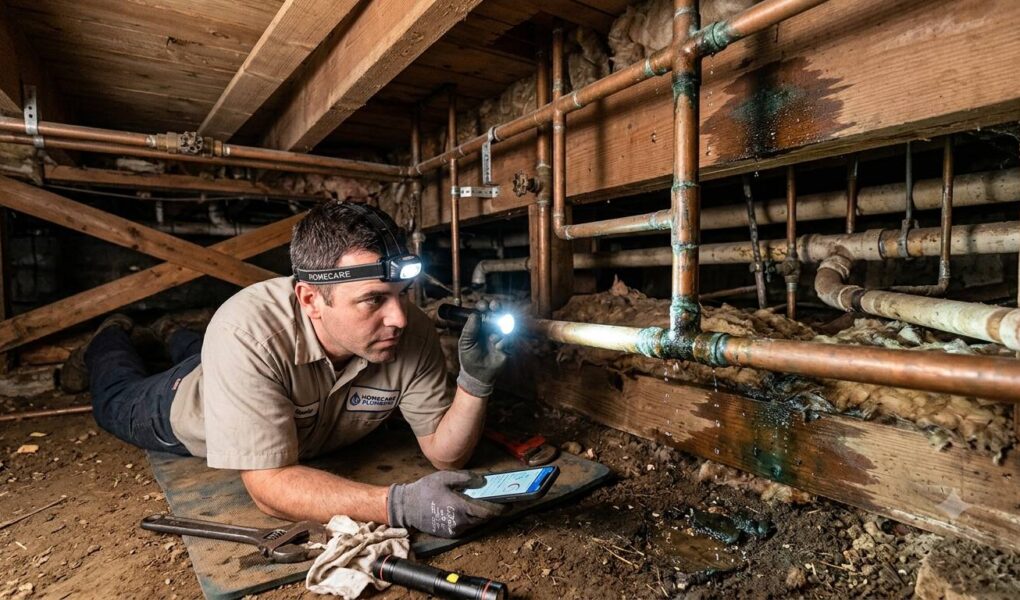
Hidden plumbing problems often develop quietly behind walls, floors, fixtures, and underground lines. Small changes in pressure, drainage, sound, odor, or water use may be the first warning. Learning what to watch for helps homeowners act early, limit water damage, reduce waste, and avoid larger, more expensive repairs later inside.
Plumbing trouble does not always begin with a burst pipe or an overflowing toilet. Many faults develop slowly, allowing moisture and corrosion to spread before visible damage appears. Cabinets, drywall, flooring, fixtures, and foundations may be affected while the source remains hidden. Reliable plumbing for Fort Walton homes begins with noticing small changes in everyday performance, including weaker pressure, slow drainage, unusual sounds, damp areas, and unexplained water use. Simple observation cannot replace professional diagnosis, but it can reveal when something is wrong and help you arrange service before a manageable problem becomes a disruptive, costly emergency inside your home.
Watch for Changes in Water Pressure
A sudden pressure drop can be an early warning of a plumbing problem. If only one faucet is affected, the cause may be a clogged aerator, worn fixture, or partly closed valve. If several fixtures lose pressure together, the issue may involve aging pipes, a hidden leak, or the main water line.
Check whether both hot and cold water are affected. Persistent or unexplained pressure changes need professional inspection. Avoid opening unfamiliar valves or disconnecting supply lines because this could make the problem worse.
Look for Moisture and Surface Damage
Hidden leaks often leave indirect evidence before visible water appears. Check beneath sinks, around toilets, beside tubs, near appliances, and around the water heater. Small stains or damp patches should not be dismissed, especially when they continue growing.
Common warning signs include:
- Peeling paint or bubbling wallpaper
- Soft, stained, or swollen drywall
- Warped flooring or loose tiles
- Damp cabinets and musty odors
Warm or damp floor areas and running-water sounds when every fixture is turned off may indicate a slab leak. These leaks are difficult to locate without specialist equipment and can affect flooring, water pressure, and structural materials.
Monitor Water Use and Plumbing Fixtures
An unexplained increase in the water bill may point to a concealed leak. Compare several recent bills and consider whether your household water use has actually changed. Turn off faucets, water-using appliances, and outdoor water sources, then check whether the water meter continues moving.
Regular monitoring helps protect plumbing for Fort Walton homes because small leaks may continue for weeks before becoming obvious. Running toilets, dripping faucets, damp supply lines, and corroded valves should not be ignored. Professional services can include leak detection, fixture repair, drain cleaning, and damaged pipe repair.
Take Repeated Drain Problems Seriously
One slow drain usually suggests a local blockage near that fixture. Several slow drains, gurgling sounds, unpleasant odors, or water returning through another fixture may indicate a deeper drain or sewer line problem.
Avoid relying on repeated chemical treatments when a clog keeps returning. These products may provide temporary relief without removing the underlying obstruction. A video pipe inspection can help locate buildup, root intrusion, pipe misalignment, or structural damage inside drain and sewer lines.
Listen for New Plumbing Sounds
Hissing behind a wall may suggest escaping water, while unexplained dripping could indicate a concealed leak. Banging sounds may result from loose pipes or sudden changes in water pressure.
Turn off faucets, washing machines, dishwashers, and other water-using equipment, then listen in a quiet room. Note where the sound is strongest and when it occurs. This information can help a plumber locate the problem more efficiently.
Check the Water Heater Area
A water heater problem may begin with moisture around the unit, corrosion, rusty water, unusual noises, or inconsistent temperature. Reduced hot-water capacity may also indicate sediment buildup, worn components, or another developing fault.
Carry out a simple visual inspection without removing panels or touching internal parts. Repairs involving gas, electricity, pressure controls, or internal components should always be handled by a qualified professional. Both tank and tankless systems require correct inspection and maintenance.
Check Outside for Underground Leaks
Wet patches in the yard, pooling water during dry weather, soil erosion, or unusually green areas may suggest an underground line leak. A damaged main water line can also cause reduced pressure, discolored water, recurring plumbing trouble, and higher water use.
Outdoor symptoms should be considered alongside changes inside the home. When low pressure, high water use, and unexplained wet areas appear together, arrange an inspection rather than waiting for the problem to become more visible.
Consider the Age of Your Pipes
Frequent leaks, recurring corrosion, metallic-tasting water, discoloration, and inconsistent pressure may indicate deteriorating pipes. Older pipes can weaken internally even when the visible sections still appear acceptable.
Repiping is not necessary after every plumbing leak. However, widespread or repeated problems deserve a complete assessment. A plumber can evaluate the age, material, condition, and repair history of the pipes before recommending targeted repairs or replacement.
Know When to Call a Professional Plumber
Home checks should remain visual and noninvasive. Do not cut into walls, open pressurized pipes, dismantle water heaters, or attempt to repair gas lines. Call a plumber when water is spreading, several fixtures are affected, sewage is backing up, pressure drops suddenly, or the source cannot be identified.
If a major leak is causing damage and the main shutoff valve is safely accessible, turn off the water supply. Keep away from water near electrical sources. Major leaks, sewer backups, blocked drains, and sudden water line failures may require urgent professional service.
FAQs
Can a Hidden Leak Exist Without a Visible Stain?
Yes. Water may remain inside a wall, cabinet, floor, or underground line before reaching a visible surface. Musty odors, pressure changes, unusual sounds, or higher water use may appear first.
Why Do Several Drains Become Slow Together?
Several slow drains may indicate a blockage deeper in the drain or sewer system rather than a problem with one individual fixture.
Is Low Water Pressure Always Caused by a Leak?
No. Clogged aerators, partly closed valves, mineral buildup, worn fixtures, aging pipes, and main line issues can also reduce water pressure.
How Often Should Visible Plumbing Be Checked?
A brief monthly inspection is practical. Look beneath sinks, around toilets, near appliances, beside the water heater, and along visible pipe connections.
Conclusion
Hidden plumbing problems are easier and less expensive to manage when they are found early. Pressure changes, slow drains, damp materials, unusual sounds, rising water use, water heater changes, and wet outdoor areas can all signal that something needs attention. Regular visual checks help you recognize patterns, but home diagnosis should stop before invasive or hazardous work begins. When symptoms continue, affect several fixtures, or involve active leakage, sewage, electricity, gas, or underground lines, professional inspection is the safest response. A qualified plumber can locate the source and recommend a targeted repair instead of relying on guesswork. Protecting plumbing for Fort Walton homes ultimately depends on responding to subtle warning signs, maintaining fixtures and equipment, and arranging expert service before hidden damage develops into a disruptive and costly repair.